Top Mongolia Local Travel Tips for Adventurous Visitors
Getting ready for your trip to Mongolia is exciting and a bit scary. This country has huge steppes, mountains, and a nomadic way of life. It’s a place that offers a unique adventure.
To enjoy your trip, being prepared is key. You need to know the best time to visit and the cultural norms. Whether you’re in Ulaanbaatar or the countryside, the right info will help you explore confidently.
Key Takeaways
- Understand the best times to visit Mongolia
- Familiarize yourself with local cultural norms
- Plan your itinerary according to your interests
- Prepare for the unique challenges of traveling in Mongolia
- Stay informed about essential travel tips and guides
Understanding Mongolia’s Unique Travel Landscape
Traveling to Mongolia means facing vast and varied landscapes. You’ll need to be ready for the rugged terrain and harsh climate. This beautiful country is full of challenges and opportunities.
Geography and Climate Challenges
Mongolia’s extreme temperatures and vast steppes are unique. Planning and preparation are key to navigating these conditions. Be ready for sudden weather changes and long travel distances.
Navigating the World’s Most Sparsely Populated Country
Mongolia has one of the lowest population densities. Its vast expanses can be both a blessing and a challenge. Plan your trip carefully, considering the long distances between places.
Preparing for Extreme Temperature Variations
Mongolia’s climate sees extreme temperature swings. Packing layers is crucial for a comfortable trip. Also, be prepared for extreme weather events.
The Nomadic Culture Impact on Travel
Mongolia’s nomadic culture is a big part of its identity. Understanding and respecting this culture will make your trip better. You’ll have chances to connect with local communities and learn about their traditions.
How Seasonal Migration Affects Tourism
The nomadic herders’ seasonal migrations can impact tourism. Knowing local customs and planning your visit accordingly is important. This will improve your experience and show respect for the local way of life.
Understanding Mongolia’s unique travel landscape helps you prepare for your journey. Whether you’re looking for adventure or cultural immersion, Mongolia has it all.
Essential Mongolia Local Travel Tips for First-Time Visitors
Planning your trip to Mongolia? Knowing the best times to visit and what documents you need is key. Mongolia’s vast landscapes mean the best time to visit changes by region.
Best Times to Visit Different Regions
Mongolia’s climate changes a lot by region. The high altitude makes the weather extreme.
Summer Adventure Windows (June-August)
Summer is the peak season for travelers. The weather is warm, and most areas are accessible. It’s perfect for outdoor activities like hiking and horseback riding.
Shoulder Season Opportunities
The shoulder season, spring (April-May) and autumn (September-October), is less crowded. It’s great for seeing beautiful blooming landscapes or enjoying the harvest season.
Visa Requirements and Entry Procedures
Understanding visa requirements is vital for planning. The rules depend on your nationality.
Documentation Needed for American Travelers
American travelers need a valid passport and a Mongolian visa. You can get a visa at Chinggis Khaan International Airport or at a Mongolian embassy or consulate before your trip.
Border Crossing Considerations
Make sure you have all needed documents, like a valid visa and health insurance. Be ready for different infrastructure at border crossings.
Knowing the best times to visit and having the right documents will prepare you for an amazing adventure in Mongolia.
- Plan your trip according to the region’s climate.
- Check the latest visa requirements before traveling.
- Prepare necessary documents in advance.

Planning Your Mongolian Adventure: Timing is Everything
When planning your Mongolian trip, timing is key. The country’s landscapes and cultural events change with the seasons. Knowing the best times to visit is crucial for exploring the steppes, experiencing local culture, or joining unique festivals.
Seasonal Considerations for Different Activities
Mongolia’s climate changes a lot with the seasons. This affects the activities you can do. In winter, the country turns into a frozen wonderland, perfect for certain experiences.
Winter Adventures: Eagle Hunting and Camel Festivals
Winter brings a chance to see the Kazakh people’s eagle hunting traditions. The Eagle Festival in October is a thrilling event. Also, the Camel Festival in February shows off the country’s camel herding.
Summer Opportunities: Horseback Treks and Hiking
Summer is great for horseback treks across the green steppes and hiking in the mountains. The warm weather makes exploring Mongolia’s beauty more enjoyable.
Festival Calendar and Cultural Events Worth Planning Around
Mongolia has many cultural festivals all year. The Naadam Festival is a highlight. It’s a traditional sporting event with Mongolian wrestling, archery, and horse racing.
Naadam Festival: Mongolia’s Olympic Games
The Naadam Festival, held in July, celebrates Mongolian culture and sports. It’s a true reflection of the country’s spirit.
Regional Celebrations Off the Tourist Track
There are many regional celebrations beyond the Naadam Festival. These events offer a real look at local traditions. They are often less crowded, giving a more authentic experience.
| Season | Activity/Festival | Location |
|---|---|---|
| Winter | Eagle Festival | Ölgii |
| Summer | Horseback Treks | Khentii Mountains |
| July | Naadam Festival | Ulaanbaatar |
Plan your trip around these seasonal activities and cultural events for a richer and more memorable Mongolian adventure.
Transportation Strategies Across the Vast Steppe
To explore Mongolia’s rugged beauty, knowing your transport options is key. The vast steppes and sparse population make travel challenging. But, with the right strategies, you can travel these distances well.
Navigating Public Transport Options
Public transport in Mongolia is limited, especially outside Ulaanbaatar. Buses and minivans are the main public transport, connecting major towns and some rural areas. But, schedules can be irregular, and services may not always be available when you need them.
For long-distance travel, buses are a common choice. But, be ready for long journeys and possible delays. Surviving long-distance bus journeys requires patience and flexibility.
Surviving Long-Distance Bus Journeys
- Pack snacks and water, as services may be limited.
- Bring a portable charger for your devices.
- Be prepared for variable road conditions.
Hiring Drivers and Vehicles: What to Know
Hiring a driver and vehicle is often the best choice for exploring Mongolia. It offers flexibility and convenience. When hiring, it’s important to negotiate rates and expectations clearly.
Negotiating Rates and Expectations
Talk about the itinerary, costs, and any extra fees (like fuel or driver accommodation) before starting. This helps avoid misunderstandings.
Vetting Reliable Drivers for Remote Travel
Make sure your driver is experienced and knows the terrain. Ask for references or check online reviews if you can. A reliable driver can greatly improve your travel experience.
The Reality of Road Conditions and Travel Times
Mongolia’s roads can be tough, with many unpaved or in poor condition. This can affect travel times, so plan for delays.
GPS and Navigation Challenges
While GPS devices are helpful, they may not always have the latest road condition info. Having a local guide or driver who knows the area is very valuable.
By understanding your transport options and planning well, you can enjoy your time in Mongolia. The journey can be as rewarding as the destination.
Accommodation Options Beyond Ulaanbaatar
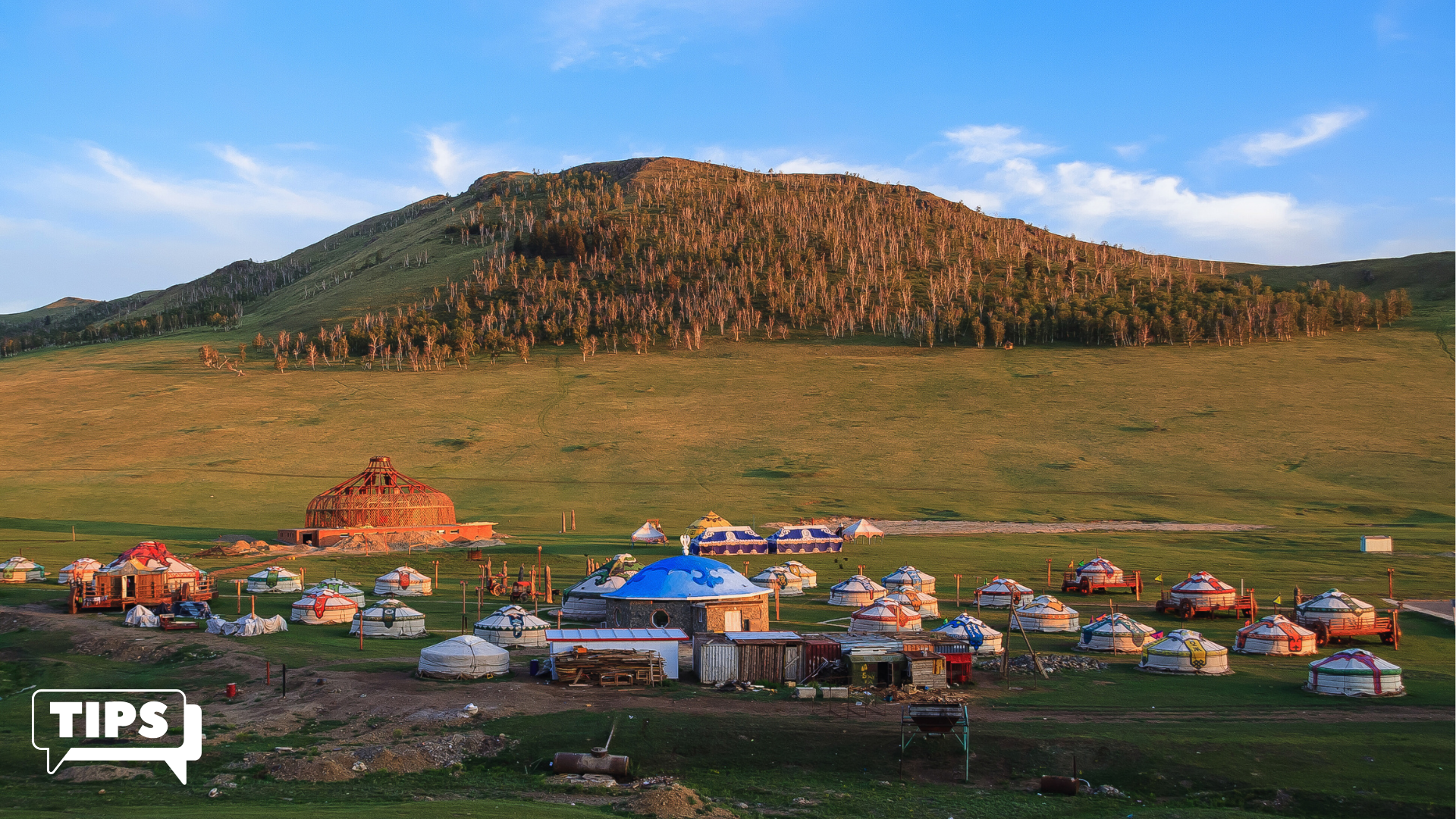
When you leave Ulaanbaatar, you’ll find many places to stay. You can live in traditional gers or with nomadic families. Each place gives you a special look at Mongolian life.
Authentic Ger Stays: Expectations vs. Reality
Ger stays are a big part of Mongolian travel. They let you feel like a nomad. Tourist camps and family homestays are different. Camps have more amenities, while homestays give you a closer look at culture.
Tourist Camps vs. Family Homestays
Tourist camps are for those who want comfort. They offer meals and tours. Family homestays, on the other hand, let you live with locals. You’ll help with daily tasks and learn their traditions.
Booking Homestays with Nomadic Families
Booking a homestay means knowing some rules. You’ll need to help out and follow local customs.
Etiquette and Contribution Expectations
Helping out is seen as polite. You can do chores or bring small gifts. Knowing a few Mongolian words also helps.
Wilderness Camping Considerations
Wilderness camping is for the bold. But, you must plan well. It’s important to leave no trace to protect Mongolia’s nature.
Leave-No-Trace Practices in Fragile Ecosystems
Travelers should try to leave nothing behind. Use eco-friendly products and throw away trash right. Also, respect animals and their homes.
Mastering Mongolian Food Culture
Mongolian cuisine is rich in meat and dairy, offering a unique culinary journey. Adventurous travelers will find it fascinating. You’ll discover traditional dishes and dining experiences that reflect the nomadic lifestyle.
Essential Dishes to Try (and Some to Approach with Caution)
Mongolian food is known for its hearty meat dishes. Try boortsog (meat pies) and khorkhog (barbecued meat). Dairy products like airag (fermented horse milk) are also favorites.
Adventurous Eater’s Guide to Dairy Products
For the bold, airag and byaslag (Mongolian cheese) are unique experiences. Prepare for strong flavors and textures.
Meat Specialties for the Brave
Khorkhog and boodog (barbecued goat or marmot) are must-try dishes. They may challenge your bravery due to their preparation.
Dining Etiquette and Cultural Considerations
Knowing dining etiquette is key when eating with nomadic families. Showing respect for tradition and hosts is essential.
Proper Behavior During Shared Meals
When dining with locals, follow their lead. Use your right hand when eating and accept food graciously.
Dietary Restrictions: Navigating a Meat-Heavy Culture
Mongolian cuisine’s focus on meat and dairy can be tough for vegetarians and those with dietary restrictions.
Vegetarian Survival Strategies
Though options are limited, look for boortsog without meat or vegetable dishes. It’s wise to communicate your dietary needs in advance.
Communication Hacks: Language and Connectivity
Mongolia is vast and has a nomadic culture. You’ll need some special tricks for communication. While Mongolian is the main language, knowing a few key phrases can make your trip better.
Useful Mongolian Phrases for Travelers
Learning basic phrases can make your trip smoother. Here are some essential expressions to get you started:
Essential Greetings and Thank You Expressions
- “Sain baina uu” – Hello, how are you?
- “Bayarlalaa” – Thank you
- “Tuguldur” – Good luck (though this is more formal and less commonly used in casual conversation)
Emergency and Direction-Related Vocabulary
- “Une medrekh” – I don’t understand
- “Tenger gazar” – Directions (literally “sky-earth”)
- “Tuslamj” – Help
Internet Access and Phone Connectivity in Remote Areas
Connecting in Mongolia’s vast steppes can be tough. But there are ways to stay in touch:
SIM Card Options and Coverage Maps
| Provider | Coverage | Cost |
|---|---|---|
| Mobicom | Wide, including rural areas | Moderate |
| Unitel | Extensive, with good 4G | Higher |
| G-Mobile | Good in urban areas, limited in rural | Lower |
Offline Navigation and Translation Tools
For navigating without internet, download offline maps and translation apps. Tools like Google Translate and Maps.me can be lifesavers in areas with limited connectivity.
Health and Safety Considerations for Adventurous Travelers
Getting ready for your Mongolian adventure means knowing about health and safety. Mongolia’s varied landscapes and cultural sights can be tough. But with the right steps, you can stay safe and enjoy your trip.
Medical Preparation and Emergency Planning
Make sure you’re ready medically before you go. This means getting the right shots and bringing your needed meds.
First Aid Essentials for Remote Travel
Carry a basic first aid kit. It should have bandages, antiseptic wipes, pain relievers, and your personal meds. Also, pack for altitude sickness in Mongolia’s remote spots.
Evacuation Insurance and Emergency Contacts
Get travel insurance that covers emergency flights. Also, have a list of emergency contacts, like your embassy and local services.
Weather Safety in Extreme Conditions
Mongolia’s weather can be very harsh, with cold winters and hot summers. Knowing the weather and being ready is key to staying safe.
Recognizing and Preventing Altitude Sickness
If you’re going to high places, watch for altitude sickness signs. To avoid it, climb slowly and drink plenty of water.
Wildlife Encounters and Outdoor Safety
Exploring Mongolia’s steppes and mountains means you’ll see wildlife. Keep a safe distance and respect their space.
Respectful Distance from Livestock and Working Animals
In rural areas, you’ll see animals and working animals. Keep a safe distance to stay safe and protect the animals.
| Health and Safety Aspect | Precaution | Additional Tips |
|---|---|---|
| Medical Preparation | First aid kit, vaccinations | Include supplies for altitude sickness |
| Emergency Planning | Evacuation insurance | List of emergency contacts |
| Weather Safety | Understand weather patterns | Prepare for extreme conditions |
| Altitude Sickness | Gradual ascent, hydration | Recognize signs early |
| Wildlife Encounters | Keep a safe distance | Respect animals’ space |
Being informed and prepared helps you enjoy Mongolia’s vast beauty safely.
Cultural Etiquette: Respecting Nomadic Traditions
Mongolia’s nomadic communities are known for their hospitality. By respecting their cultural etiquette, you can connect more deeply with locals. It’s key to understand and respect their traditions when interacting with them.
Ger (Yurt) Etiquette: Dos and Don’ts
Visiting a ger requires following certain rules to show respect. Here are some important dos and don’ts:
Proper Entry and Movement Inside the Ger
- Enter the ger with your right foot first, as entering with the left foot is considered impolite.
- Greet the family members with a bow, and wait to be seated.
- Move around the ger in a clockwise direction, as this is considered respectful.
Sacred Objects and Spaces to Be Aware Of
Be mindful of sacred objects and spaces within the ger, such as the altar or family shrine. Avoid touching or handling these objects, as they are considered sacred.
Gift-Giving Practices and Expectations
Gift-giving is a significant custom in Mongolian culture, especially when visiting nomadic families. Here are some tips:
Appropriate Gifts for Host Families
- Bring gifts that are useful and practical, such as food items, clothing, or household goods.
- Avoid gifts that are too expensive or luxurious, as they may cause embarrassment.
- Consider bringing gifts that can be shared among the family members, such as tea or sweets.
Photography Ethics with Local Communities
When taking photos of local communities, it’s essential to be respectful and considerate.
Asking Permission and Sharing Images
- Always ask for permission before taking someone’s photo, especially in rural or nomadic areas.
- Be prepared to explain why you want to take the photo and be respectful of their decision.
- If you promise to share the images, make sure to follow through on your commitment.
By respecting Mongolia’s nomadic traditions and cultural etiquette, you can have a more meaningful and enriching experience during your travels. For more insider tips for traveling in Mongolia, consider exploring local guides and travel resources.
Off-the-Beaten-Path Destinations Worth the Effort
Mongolia has many secret spots beyond the usual tourist paths. For those looking for real experiences, the country’s hidden wonders and local traditions offer a unique view. You can see Mongolia’s untouched beauty and rich history up close.
Lesser-Known Natural Wonders
Mongolia is full of hidden natural wonders. The landscapes of western and eastern Mongolia are breathtaking.
Hidden Lakes and Valleys of Western Mongolia
The Altai Mountains in western Mongolia hide beautiful lakes and valleys. Places like Khoton Lake offer stunning views and a chance to see nomadic life.
Eastern Mongolia’s Unexplored Grasslands
The vast grasslands of eastern Mongolia are untouched. They offer a chance to see traditional herding and enjoy nature’s beauty.
Remote Cultural Sites Beyond Tourist Circuits
Mongolia’s culture is rich in history. Many archaeological sites and ancient petroglyphs are waiting to be found.
Ancient Petroglyphs and Archaeological Sites
Check out the ancient petroglyphs in Khoid Tsenkher Cave. Or visit Khara Khorum, the old capital of the Mongol Empire.
Authentic Local Experiences in Different Regions
Try seasonal herding or traditional crafts to really understand Mongolian culture.
Participating in Seasonal Herding Activities
Join local herders during their migrations. It’s a chance to see the nomadic way of life.
Traditional Craft Workshops with Local Artisans
Take part in workshops like felt-making or horsehair weaving. Learn about Mongolia’s craft heritage.
Packing Essentials for Mongolia’s Diverse Conditions
Getting ready for Mongolia means packing the right stuff. The weather can be very cold or quite warm. The land is vast and varied, from open steppes to steep mountains.
All-Season Packing Strategies
Understanding layering is key for Mongolia’s weather. It lets you change clothes as the temperature changes.
Layering Systems for Extreme Temperature Fluctuations
Start with a base layer for cold days. Add a mid-layer for warmth. Finish with a waterproof outer layer. Choose clothes that can be mixed and matched easily.
Footwear Considerations for Various Terrains
Different terrains need different shoes. For hiking, wear sturdy, waterproof boots. For casual walks, pick shoes that can handle rough paths.
Tech and Gear Recommendations for Remote Travel
Right tech and gear make remote travel better. You’ll need power solutions and ways to purify water.
Power Solutions and Battery Management
Portable power banks and solar chargers are essential. Choose a power bank that can charge your devices many times.
Water Purification Options
Use water purification tablets or a portable filter. They’re great for safe drinking water in remote places.
Medications and Personal Items You Can’t Find Locally
Don’t forget your prescription medications. Bring a copy of your prescription and a doctor’s note. Some personal care items might be hard to find.
Prescription Medications and Documentation
Bring enough medication for your trip and a little extra. Keep it in its original packaging. Carry a doctor’s letter explaining your condition and treatment.
| Item | Description | Importance Level |
|---|---|---|
| Layering clothing | For temperature control | High |
| Waterproof boots | For rugged terrain | High |
| Power bank | For device charging | Medium |
| Water purification tablets | For safe drinking water | High |
As seasoned travelers say, “The right gear makes a big difference.” Packing smart lets you enjoy Mongolia’s adventures without worry.
Conclusion: Embracing the Spirit of Mongolian Adventure
As you get ready for your trip to Mongolia, remember to embrace adventure. This country is full of vast steppes, a nomadic culture, and stunning landscapes. It’s a place that needs you to be flexible and open-minded.
This guide has given you the mongolia travel advice you need. You’ll know how to handle the challenges and find the best experiences. From insider tips to local favorites, you’re set to enjoy Mongolia fully.
When you travel around Mongolia, always respect the local ways. The country’s rich culture and beauty can deeply impress anyone. So, pack your bags, be adventurous, and make memories in this amazing place.
FAQ
What is the best time to visit Mongolia?
The best time to visit Mongolia depends on what you want to do. Summer (June to August) is great for most visitors, with warm weather and long days. If you’re into winter sports or want to see the Naadam Festival, plan your trip for then.
Do I need a visa to enter Mongolia?
Whether you need a visa for Mongolia depends on where you’re from. Americans can enter without a visa for up to 30 days. Always check the latest visa rules before you go.
How do I get around Mongolia?
Getting around Mongolia can be tough, especially in rural areas. You can hire drivers, take domestic flights, or join tours. Be ready for rough roads and long trips.
What are the must-try dishes in Mongolia?
You should try boortsog (meat pie), khorkhog (barbecued meat), and airag (fermented horse milk). Be brave and try local food, but remember to consider dietary and cultural rules.
How do I stay connected in rural Mongolia?
Internet and phone signals can be weak in rural Mongolia. Think about getting a local SIM card or renting a Wi-Fi hotspot. Offline maps can also help.
What health precautions should I take when traveling to Mongolia?
Talk to your doctor or a travel clinic about shots and meds you might need. Be careful of altitude sickness and extreme weather.
What are some cultural etiquette tips for visiting nomadic families?
When visiting nomadic families, respect their customs and traditions. Follow ger rules, bring gifts, and think about photography. Being respectful and open-minded will give you a real experience.
What are some off-the-beaten-path destinations in Mongolia?
Check out places like the Altai Tavan Bogd National Park or the Orkhon Valley. These spots offer real local experiences, away from tourist areas.
What should I pack for Mongolia’s diverse conditions?
Bring layers for changing temperatures, sturdy shoes for different terrains, and important gear for remote travel. Don’t forget your meds and personal items that might be hard to find.
How can I minimize my impact on the environment in Mongolia?
Be careful with your waste, respect wildlife, and use eco-friendly practices. When staying in gers or homestays, follow local advice to reduce your impact.