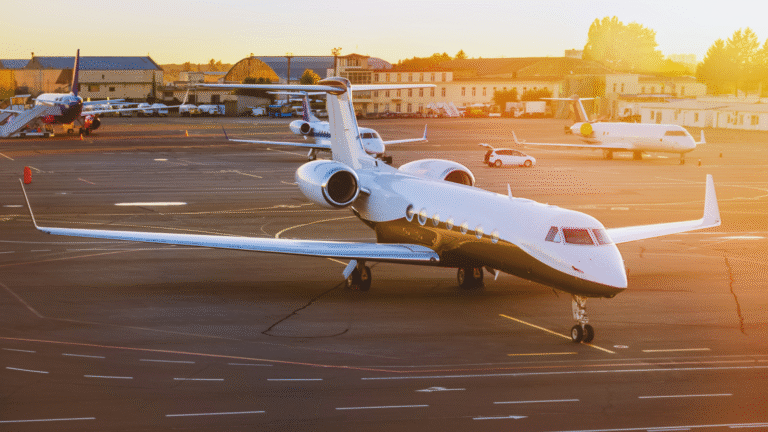
Top Caribbean Dive Destinations: Your Ultimate Guide to the Best Underwater Adventures
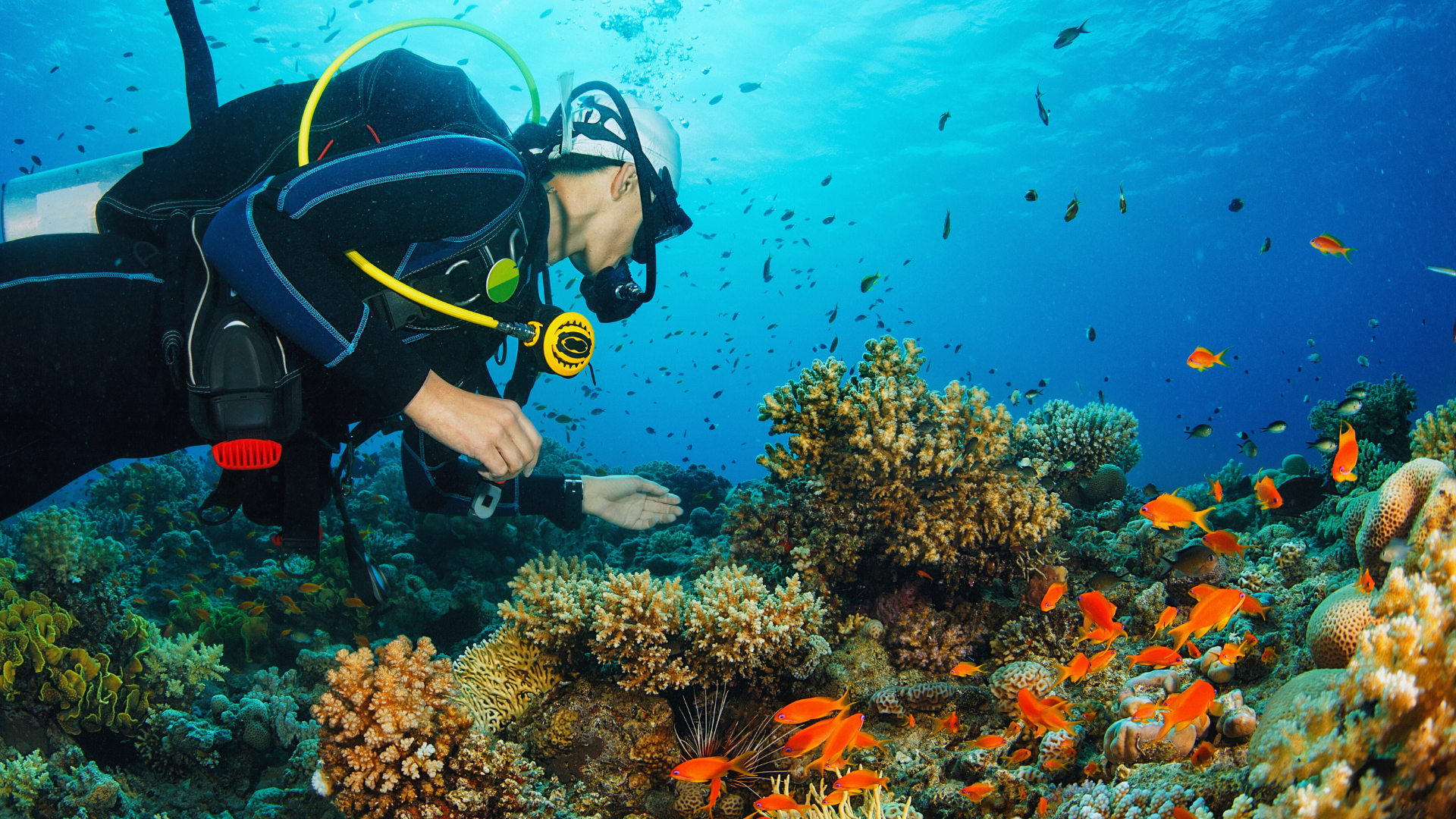
Imagine descending into crystal-clear waters where colorful parrotfish dance around vibrant coral formations, while gentle sea turtles glide past ancient shipwrecks.
The Caribbean isn’t just a tropical paradise above water—it’s an underwater wonderland that offers some of the planet’s most spectacular diving experiences.
From the legendary walls of Grand Cayman to the pristine reefs of Bonaire, these top Caribbean dive destinations promise adventures that will leave you breathless both literally and figuratively.
Quick Answer: Caribbean Diving at a Glance
| Feature | Top Pick | Runner-Up |
|---|---|---|
| Best Overall | Bonaire | Roatán, Honduras |
| Best for Beginners | Grand Cayman | Cozumel, Mexico |
| Best for Wrecks | Aruba | Grenada |
| Best for Sharks | The Bahamas | St. Maarten |
| Best for Photography | Little Cayman | Bonaire |
| Most Budget-Friendly | Utila, Honduras | Cozumel, Mexico |
How to Choose Your Perfect Caribbean Dive Destination
Before diving into our comprehensive list of the best Caribbean dive sites, consider these essential factors to match your perfect underwater adventure:
Certification Level: Beginners should prioritize destinations with calm, shallow waters and excellent dive operators, while advanced divers can explore deep walls, challenging currents, and technical wrecks.
Time of Year: Hurricane season (June-November) affects some islands more than others. Peak diving season typically runs December through April, offering the best visibility and calmest seas.
Budget Considerations: Islands like Utila and Cozumel offer world-class diving at budget-friendly prices, while destinations like Little Cayman provide luxury experiences at premium rates.
Marine Life Preferences: Shark enthusiasts should head to The Bahamas, while macro photographers will find paradise in Bonaire’s diverse ecosystem.
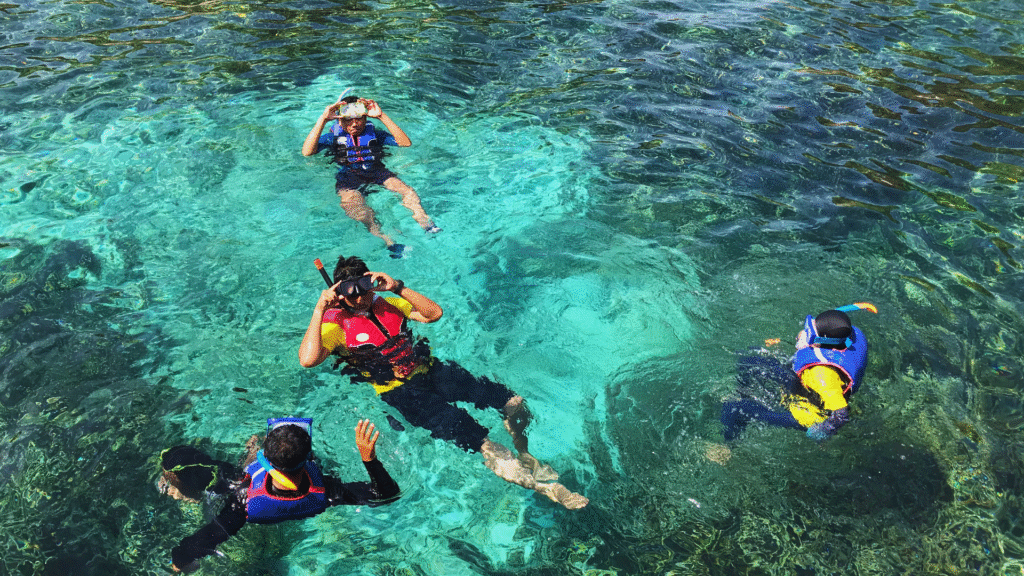
The Top 15 Caribbean Dive Destinations
1. Bonaire
Quick Facts:
- Best For: Shore diving, marine biodiversity, underwater photography
- Skill Level: Beginner to Advanced
- Avg. Water Temp: 78-84°F (25-29°C)
- Avg. Visibility: 100+ ft (30m+)
- Peak Season: Year-round (less rain April-October)
Why We Love It: Bonaire offers unparalleled freedom with its legendary shore diving, pristine coral reefs, and commitment to marine conservation that keeps this Dutch Caribbean island at the forefront of sustainable diving.
The Diving Experience: Bonaire revolutionizes diving with its “drive-and-dive” concept. Simply rent a truck, fill it with gear, and explore over 80 marked shore dive sites at your own pace. The island’s entire coastline is a protected marine park, ensuring healthy reefs and abundant marine life.
Top Must-Do Dive Sites:
- Salt Pier: Famous for its massive schools of tarpon and horse-eye jacks
- Hilma Hooker: A 236-foot cargo ship sitting upright in 100 feet of water
- 1000 Steps: Actually only 67 steps, but offers spectacular coral formations
- Angel City: Perfect for night diving with hunting tarpon and octopi
- Invisibles: A challenging site with strong currents and big pelagics
Marine Life Spotlight: Bonaire boasts over 470 recorded fish species, including frogfish, seahorses, flamingo tongues, and healthy populations of sea turtles. The island’s commitment to conservation means you’ll see thriving coral gardens and abundant macro life.
Practical Planner:
- Getting There: Fly into Flamingo International Airport (BON) via Miami or Amsterdam
- Budget Guide: $150-200 per day including diving, meals, and accommodation
- Pro Tip: “The beauty of Bonaire is that every dive is an adventure waiting to happen. I’ve been guiding here for 15 years, and I still discover new creatures every week.” – Captain Maria Santos, Bonaire Dive & Adventure
2. Grand Cayman, Cayman Islands
Quick Facts:
- Best For: Beginner-friendly diving, stingray encounters, wall diving
- Skill Level: Beginner to Advanced
- Avg. Water Temp: 78-84°F (25-29°C)
- Avg. Visibility: 80-120 ft (24-36m)
- Peak Season: December-April
Why We Love It: Grand Cayman combines world-class diving infrastructure with iconic experiences like Stingray City, making it perfect for both diving novices and experienced underwater explorers.
The Diving Experience: Grand Cayman offers three distinct diving experiences: the famous North Wall with its dramatic drop-offs, the protected Seven Mile Beach area perfect for training, and the wild East End with its pristine reefs and advanced sites.
Top Must-Do Dive Sites:
- Stingray City: Interact with friendly southern stingrays in shallow, crystal-clear water
- USS Kittiwake: A 251-foot former naval vessel now resting in 65 feet of water
- Babylon: A stunning wall dive with massive barrel sponges and black coral
- Eden Rock: Shore diving paradise with swim-throughs and abundant marine life
- Bloody Bay Wall: Technically Little Cayman, but accessible on day trips
Marine Life Spotlight: Grand Cayman’s protected waters teem with Caribbean reef sharks, nurse sharks, green moray eels, and the famous stingrays. The walls are decorated with massive barrel sponges, soft corals, and reef fish.
Practical Planner:
- Getting There: Owen Roberts International Airport (GCM) with direct flights from major US cities
- Budget Guide: $200-300 per day including diving, meals, and accommodation
- Pro Tip: “Book your Stingray City dive for early morning when the rays are most active and the water is clearest. It’s truly a once-in-a-lifetime experience.” – Captain James Murphy, Red Sail Sports
3. Cozumel, Mexico
Quick Facts:
- Best For: Drift diving, coral formations, budget-friendly diving
- Skill Level: Beginner to Advanced
- Avg. Water Temp: 78-84°F (25-29°C)
- Avg. Visibility: 80-150 ft (24-45m)
- Peak Season: December-April
Why We Love It: Cozumel’s legendary drift diving along the Mesoamerican Reef System offers effortless underwater flight past some of the Caribbean’s most spectacular coral formations.
The Diving Experience: Cozumel’s diving is defined by its drift diving along the island’s western shore. The Yucatan Current creates perfect conditions for lazy underwater flight while marine life thrives in the nutrient-rich waters.
Top Must-Do Dive Sites:
- Palancar Reef: Massive coral formations and swim-throughs
- Santa Rosa Wall: Dramatic drop-offs with nurse sharks and eagle rays
- Columbia Deep: Advanced site with large pelagics and pristine corals
- Paradise Reef: Perfect for beginners with shallow, calm conditions
- Punta Sur: Known for its sleeping nurse sharks and diverse marine life
Marine Life Spotlight: Cozumel’s reefs host splendid toadfish (endemic to the island), nurse sharks, eagle rays, and an incredible variety of tropical fish. The coral formations are among the Caribbean’s most photogenic.
Practical Planner:
- Getting There: Cozumel International Airport (CZM) or ferry from Playa del Carmen
- Budget Guide: $100-150 per day including diving, meals, and accommodation
- Pro Tip: “The key to Cozumel diving is relaxing and letting the current do the work. Keep your camera ready—you never know when a eagle ray will cruise by.” – Captain Eduardo Reyes, Aldora Divers
4. Roatán, Honduras
Quick Facts:
- Best For: Wall diving, pristine reefs, whale shark encounters
- Skill Level: Beginner to Advanced
- Avg. Water Temp: 78-84°F (25-29°C)
- Avg. Visibility: 80-100 ft (24-30m)
- Peak Season: March-September
Why We Love It: Roatán sits on the Mesoamerican Barrier Reef, offering spectacular wall diving, pristine coral formations, and occasional whale shark encounters at budget-friendly prices.
The Diving Experience: Roatán’s diving centers around its dramatic north shore wall, where the reef drops from 40 feet to over 2,000 feet. The island’s commitment to marine conservation has resulted in healthy reefs and abundant marine life.
Top Must-Do Dive Sites:
- Mary’s Place: Famous for its massive crevice and swim-throughs
- Cara a Cara: Pristine wall diving with large barrel sponges
- CoCo View Wall: Excellent for night diving with hunting moray eels
- West End Wall: Perfect for beginners with easy access and abundant life
- Lighthouse Reef: Advanced site with potential whale shark encounters
Marine Life Spotlight: Roatán offers excellent macro diving with seahorses, frogfish, and nudibranchs, plus larger species like whale sharks (seasonal), eagle rays, and healthy shark populations.
Practical Planner:
- Getting There: Juan Manuel Gálvez International Airport (RTB) with connections through major Central American hubs
- Budget Guide: $80-120 per day including diving, meals, and accommodation
- Pro Tip: “Roatán’s walls are incredible, but don’t miss the shallow reef tops. Some of our best macro finds are in just 20 feet of water.” – Captain Sarah Johnson, West End Divers
5. The Bahamas
Quick Facts:
- Best For: Shark diving, blue holes, wall diving
- Skill Level: Beginner to Advanced
- Avg. Water Temp: 72-84°F (22-29°C)
- Avg. Visibility: 100-200 ft (30-60m)
- Peak Season: November-April
Why We Love It: The Bahamas offers the ultimate shark diving experience with multiple species encounters, plus unique blue hole diving and pristine wall formations across 700 islands.
The Diving Experience: The Bahamas spans multiple diving regions, from Nassau’s shark diving to the Exumas’ blue holes and the walls of San Salvador. Each area offers distinct experiences unified by crystal-clear water and abundant marine life.
Top Must-Do Dive Sites:
- Stuart Cove’s Shark Dive: Guaranteed Caribbean reef shark encounters
- Tiger Beach: Famous for tiger shark and great hammerhead encounters
- Dean’s Blue Hole: World’s second-deepest blue hole
- Thunderball Grotto: Shallow cave system perfect for snorkeling
- Riding Rock Wall: Dramatic wall diving with large pelagics
Marine Life Spotlight: The Bahamas is shark central, with Caribbean reef sharks, nurse sharks, tiger sharks, hammerheads, and bull sharks. Plus dolphins, eagle rays, and healthy reef fish populations.
Practical Planner:
- Getting There: Multiple airports including Nassau (NAS) and Freeport (FPO)
- Budget Guide: $200-350 per day including diving, meals, and accommodation
- Pro Tip: “The Bahamas offers some of the clearest water in the Caribbean. Don’t forget to look up during your ascent—the surface shots are spectacular.” – Captain Michael Thompson, Stuart Cove’s Dive Bahamas
6. Little Cayman, Cayman Islands
Quick Facts:
- Best For: Underwater photography, pristine reefs, small group diving
- Skill Level: Intermediate to Advanced
- Avg. Water Temp: 78-84°F (25-29°C)
- Avg. Visibility: 100-150 ft (30-45m)
- Peak Season: December-April
Why We Love It: Little Cayman offers the Caribbean’s most pristine diving experience with legendary Bloody Bay Wall and small group diving that ensures intimate encounters with marine life.
The Diving Experience: Little Cayman’s diving focuses on the legendary Bloody Bay Wall, where the reef drops from 20 feet to over 6,000 feet. The island’s small size ensures uncrowded dive sites and personalized service.
Top Must-Do Dive Sites:
- Bloody Bay Wall: Legendary wall diving with massive sponges and corals
- Jackson’s Bight: Pristine reef with excellent macro photography
- Mixing Bowl: Unique topography with swim-throughs and overhangs
- Eagle Ray Roundup: Consistent eagle ray encounters
- Lea Lea’s Lookout: Perfect for underwater photography
Marine Life Spotlight: Little Cayman’s protected waters host healthy populations of Nassau grouper, eagle rays, tarpon, and pristine coral formations perfect for photography.
Practical Planner:
- Getting There: Edward Bodden Airfield (LYB) via Grand Cayman
- Budget Guide: $350-500 per day including diving, meals, and accommodation
- Pro Tip: “Little Cayman’s magic is in its details. Bring a macro lens and be prepared to spend entire dives photographing single coral heads.” – Captain David Chen, Reef Divers
7. Utila, Honduras
Quick Facts:
- Best For: Budget diving, whale shark encounters, certification courses
- Skill Level: Beginner to Advanced
- Avg. Water Temp: 78-84°F (25-29°C)
- Avg. Visibility: 60-100 ft (18-30m)
- Peak Season: March-September
Why We Love It: Utila offers world-class diving at backpacker prices, with the Caribbean’s most reliable whale shark encounters and a vibrant diving culture.
The Diving Experience: Utila combines affordable diving with incredible marine life encounters. The island’s location on the Mesoamerican Reef provides access to both shallow training sites and deeper walls with big pelagics.
Top Must-Do Dive Sites:
- CJ’s Drop Off: Excellent chance for whale shark encounters
- Black Hills: Dramatic underwater topography with large pelagics
- Lighthouse Reef: Pristine coral formations and abundant marine life
- Airport Wall: Perfect for certification dives
- Duppy Waters: Night diving with bioluminescent plankton
Marine Life Spotlight: Utila is famous for whale shark encounters, but also offers excellent diving with eagle rays, nurse sharks, and healthy reef fish populations.
Practical Planner:
- Getting There: Utila Airport (UII) via La Ceiba, Honduras
- Budget Guide: $50-80 per day including diving, meals, and accommodation
- Pro Tip: “Utila’s whale shark season runs March through September. Book early morning dives for the best chances of encounters.” – Captain Lisa Rodriguez, Utila Dive Centre
8. Aruba
Quick Facts:
- Best For: Wreck diving, year-round diving, trade wind protection
- Skill Level: Beginner to Advanced
- Avg. Water Temp: 78-84°F (25-29°C)
- Avg. Visibility: 80-100 ft (24-30m)
- Peak Season: Year-round
Why We Love It: Aruba’s location outside the hurricane belt ensures year-round diving, while its impressive collection of wrecks offers underwater exploration opportunities for all skill levels.
The Diving Experience: Aruba’s diving is defined by its wreck diving opportunities and consistent conditions. The island’s leeward location provides protection from trade winds, ensuring calm conditions year-round.
Top Must-Do Dive Sites:
- Antilla Wreck: Massive German cargo ship in shallow water
- Pedernales Wreck: WWII oil tanker broken into multiple sections
- Jane Sea Wreck: Cement cargo ship perfect for beginners
- Sonesta Planes: Two aircraft wrecks in shallow water
- Skalahein Reef: Pristine coral formations and abundant marine life
Marine Life Spotlight: Aruba’s wrecks host large schools of sergeant majors, yellowtail snappers, and occasional visits from green moray eels and nurse sharks.
Practical Planner:
- Getting There: Queen Beatrix International Airport (AUA) with direct flights from major US cities
- Budget Guide: $180-250 per day including diving, meals, and accommodation
- Pro Tip: “Aruba’s wrecks are perfect for underwater photography. The shallow depths mean longer bottom times and better natural lighting.” – Captain Roberto Silva, Native Divers Aruba
9. St. Maarten/St. Martin
Quick Facts:
- Best For: Shark diving, wreck diving, dual-nation experience
- Skill Level: Beginner to Advanced
- Avg. Water Temp: 78-84°F (25-29°C)
- Avg. Visibility: 80-120 ft (24-36m)
- Peak Season: December-April
Why We Love It: St. Maarten offers unique dual-nation diving experiences with excellent shark encounters and diverse underwater topography in both Dutch and French territories.
The Diving Experience: St. Maarten’s diving combines natural reefs with artificial structures, creating diverse underwater environments. The island’s location attracts various shark species and offers both calm bay diving and more challenging offshore sites.
Top Must-Do Dive Sites:
- Proselyte Wreck: Historic British frigate in 50 feet of water
- Tug Boat: Shallow wreck perfect for beginners
- Shark Point: Reliable nurse shark encounters
- Creole Rock: Excellent for snorkeling and shallow diving
- Green Key: Pristine coral formations and abundant marine life
Marine Life Spotlight: St. Maarten’s waters host nurse sharks, Caribbean reef sharks, eagle rays, and healthy populations of tropical reef fish.
Practical Planner:
- Getting There: Princess Juliana International Airport (SXM) with direct flights from major US and European cities
- Budget Guide: $200-300 per day including diving, meals, and accommodation
- Pro Tip: “St. Maarten’s shark diving is best in the early morning when the sharks are most active. The visibility is also at its peak then.” – Captain Pierre Dubois, Ocean Explorers Dive Center
10. Grenada
Quick Facts:
- Best For: Wreck diving, spice island culture, underwater sculpture park
- Skill Level: Beginner to Advanced
- Avg. Water Temp: 78-84°F (25-29°C)
- Avg. Visibility: 80-100 ft (24-30m)
- Peak Season: December-April
Why We Love It: Grenada offers unique diving experiences including the world’s first underwater sculpture park and excellent wreck diving, all while maintaining authentic Caribbean culture.
The Diving Experience: Grenada’s diving combines traditional Caribbean reef diving with unique artificial attractions. The island’s commitment to marine conservation has created thriving underwater ecosystems.
Top Must-Do Dive Sites:
- Bianca C: Massive luxury liner wreck in 165 feet of water
- Molinere Underwater Sculpture Park: World’s first underwater sculpture park
- Veronica L: Cargo ship wreck in shallow water
- Boss Reef: Pristine coral formations
- Flamingo Bay: Excellent for beginners and training
Marine Life Spotlight: Grenada’s waters host nurse sharks, southern stingrays, green moray eels, and an abundance of tropical reef fish thriving around both natural and artificial reefs.
Practical Planner:
- Getting There: Maurice Bishop International Airport (GND) with connections through major Caribbean hubs
- Budget Guide: $150-200 per day including diving, meals, and accommodation
- Pro Tip: “The sculpture park is incredible, but don’t miss the traditional reefs. Grenada’s natural marine life is just as spectacular as its artificial attractions.” – Captain Angela Williams, Aquanauts Grenada
11. Barbados
Quick Facts:
- Best For: Wreck diving, turtle encounters, coral reefs
- Skill Level: Beginner to Advanced
- Avg. Water Temp: 78-84°F (25-29°C)
- Avg. Visibility: 80-100 ft (24-30m)
- Peak Season: December-April
Why We Love It: Barbados offers excellent wreck diving with multiple vessels in various depths, plus healthy coral reefs and reliable turtle encounters.
The Diving Experience: Barbados diving is centered around its west and south coasts, offering calm conditions and diverse underwater environments from shallow coral gardens to deep wrecks.
Top Must-Do Dive Sites:
- Stavronikita: Massive Greek freighter in 135 feet of water
- Berwyn: Cargo ship wreck perfect for intermediate divers
- SS Cornwallis: Historic wreck with abundant marine life
- Folkestone Marine Reserve: Protected coral reef system
- Maycocks Bay: Excellent for turtle encounters
Marine Life Spotlight: Barbados waters host hawksbill and green sea turtles, nurse sharks, eagle rays, and vibrant coral reef communities.
Practical Planner:
- Getting There: Grantley Adams International Airport (BGI) with direct flights from major cities
- Budget Guide: $180-250 per day including diving, meals, and accommodation
- Pro Tip: “Barbados turtle encounters are most reliable early morning or late afternoon. The Folkestone Marine Reserve offers some of the healthiest reefs in the southern Caribbean.” – Captain Marcus Thompson, Dive Barbados
12. Tobago
Quick Facts:
- Best For: Manta ray encounters, pristine reefs, drift diving
- Skill Level: Intermediate to Advanced
- Avg. Water Temp: 78-84°F (25-29°C)
- Avg. Visibility: 80-120 ft (24-36m)
- Peak Season: December-April
Why We Love It: Tobago offers world-class manta ray encounters and pristine diving conditions away from the crowds, with excellent drift diving along dramatic underwater topography.
The Diving Experience: Tobago’s diving is characterized by its dramatic underwater topography and unique location where Atlantic and Caribbean currents meet, creating excellent conditions for large pelagics.
Top Must-Do Dive Sites:
- Diver’s Dream: Famous for manta ray encounters
- Diver’s Thirst: Excellent drift diving with large pelagics
- Flying Reef: Pristine coral formations
- Sisters Rocks: Dramatic underwater pinnacles
- Kelleston Drain: Unique underwater river effect
Marine Life Spotlight: Tobago is famous for manta ray encounters, but also offers excellent diving with eagle rays, nurse sharks, and pristine coral reef communities.
Practical Planner:
- Getting There: A.N.R. Robinson International Airport (TAB) with connections through Trinidad
- Budget Guide: $150-220 per day including diving, meals, and accommodation
- Pro Tip: “Tobago’s manta ray season runs December through April. The encounters at Diver’s Dream are truly spectacular—these gentle giants can have wingspans over 20 feet.” – Captain Richard Singh, Tobago Dive Experience
13. Dominica
Quick Facts:
- Best For: Whale watching, pristine reefs, volcanic underwater topography
- Skill Level: Intermediate to Advanced
- Avg. Water Temp: 78-82°F (25-28°C)
- Avg. Visibility: 80-100 ft (24-30m)
- Peak Season: December-April
Why We Love It: Dominica offers unique diving experiences with volcanic underwater topography, excellent whale watching opportunities, and pristine reefs in the untouched Caribbean.
The Diving Experience: Dominica’s diving is defined by its volcanic origins, creating unique underwater landscapes with black sand, dramatic drop-offs, and thriving marine ecosystems.
Top Must-Do Dive Sites:
- Champagne Reef: Underwater volcanic vents create natural jacuzzi effect
- Soufrière Pinnacle: Dramatic underwater pinnacle with abundant marine life
- Scotts Head Drop Off: Spectacular wall diving
- Dangleben’s Reef: Pristine coral formations
- Pointe Guignard: Excellent for macro photography
Marine Life Spotlight: Dominica’s waters host sperm whales year-round, plus pilot whales, dolphins, and healthy reef fish populations thriving around unique volcanic formations.
Practical Planner:
- Getting There: Douglas-Charles Airport (DOM) with connections through major Caribbean hubs
- Budget Guide: $160-230 per day including diving, meals, and accommodation
- Pro Tip: “Dominica’s Champagne Reef is unlike anywhere else in the Caribbean. The natural volcanic vents create a unique diving experience that’s both relaxing and otherworldly.” – Captain Marie Celeste, Dive Dominica
14. St. Lucia
Quick Facts:
- Best For: Wreck diving, coral walls, volcanic underwater topography
- Skill Level: Beginner to Advanced
- Avg. Water Temp: 78-84°F (25-29°C)
- Avg. Visibility: 80-100 ft (24-30m)
- Peak Season: December-April
Why We Love It: St. Lucia combines dramatic volcanic underwater topography with excellent wreck diving and pristine coral reefs, all set against the backdrop of the iconic Pitons.
The Diving Experience: St. Lucia’s diving offers variety from shallow coral gardens to deep walls, with several accessible wrecks and unique volcanic formations creating diverse underwater environments.
Top Must-Do Dive Sites:
- Lesleen M: Cargo ship wreck in 60 feet of water
- Fairyland: Pristine coral formations and abundant marine life
- Superman’s Flight: Dramatic drift diving experience
- Coral Gardens: Perfect for beginners and training
- Pitons Wall: Spectacular wall diving beneath the famous landmarks
Marine Life Spotlight: St. Lucia’s waters host nurse sharks, southern stingrays, green moray eels, and vibrant coral reef communities thriving around both natural and artificial reefs.
Practical Planner:
- Getting There: Hewanorra International Airport (UVF) with direct flights from major cities
- Budget Guide: $200-280 per day including diving, meals, and accommodation
- Pro Tip: “St. Lucia’s Pitons Wall offers some of the most spectacular underwater scenery in the Caribbean. The combination of dramatic topography and abundant marine life is unforgettable.” – Captain Jean-Paul Martineau, Dive Saint Lucia
15. Turks and Caicos
Quick Facts:
- Best For: Wall diving, pristine reefs, conch bar caves
- Skill Level: Beginner to Advanced
- Avg. Water Temp: 78-84°F (25-29°C)
- Avg. Visibility: 100-200 ft (30-60m)
- Peak Season: November-April
Why We Love It: Turks and Caicos offers some of the Caribbean’s clearest water, dramatic wall diving, and unique conch bar cave systems, all while maintaining pristine marine environments.
The Diving Experience: Turks and Caicos diving is characterized by its exceptional visibility, dramatic walls, and unique underwater cave systems formed by ancient conch shells.
Top Must-Do Dive Sites:
- West Caicos Marine Park: Pristine wall diving with excellent visibility
- Conch Bar Caves: Unique underwater cave system
- French Cay: Excellent for shark encounters
- Grace Bay: Perfect for beginners with calm conditions
- Northwest Point: Advanced diving with strong currents and big pelagics
Marine Life Spotlight: Turks and Caicos waters host Caribbean reef sharks, nurse sharks, eagle rays, and pristine coral reef communities with exceptional visibility.
Practical Planner:
- Getting There: Providenciales International Airport (PLS) with direct flights from major US cities
- Budget Guide: $250-350 per day including diving, meals, and accommodation
- Pro Tip: “The visibility in Turks and Caicos is simply phenomenal. On a good day, you can see over 200 feet underwater. It’s like diving in an aquarium.” – Captain Mark Johnson, Big Blue Collective
Frequently Asked Questions
What is the best time of year to dive in the Caribbean?
The optimal diving season runs from December through April, when you’ll experience the calmest seas, best visibility, and minimal rainfall. However, many Caribbean destinations offer excellent year-round diving conditions. Hurricane season (June-November) can affect some islands, but destinations like Aruba, Curacao, and Bonaire remain largely unaffected due to their southern location.
Do I need a wetsuit for Caribbean diving?
While water temperatures range from 78-84°F (25-29°C), most divers find a 3mm wetsuit comfortable for extended diving. Some divers prefer shorties or even dive skins for sun protection. Consider your cold tolerance and planned dive duration when making your choice.
Which Caribbean island has the clearest water?
Turks and Caicos consistently offers the clearest water with visibility often exceeding 200 feet. The Bahamas, Little Cayman, and Bonaire also provide exceptional clarity, typically ranging from 100-150 feet of visibility.
Is it safe to dive with sharks in the Caribbean?
Caribbean shark diving is extremely safe when conducted with reputable operators. Species like Caribbean reef sharks, nurse sharks, and even the occasional hammerhead pose minimal risk to divers. These encounters are often highlights of Caribbean diving adventures.
Your Caribbean Diving Adventure Awaits
The Caribbean’s top scuba diving destinations offer something magical for every underwater enthusiast. Whether you’re drawn to Bonaire’s pristine shore diving, The Bahamas’ thrilling shark encounters, or Grand Cayman’s beginner-friendly experiences, each destination promises unforgettable memories beneath the waves.
From budget-friendly adventures in Utila to luxury experiences in Little Cayman, these best Caribbean dive sites showcase the region’s incredible marine biodiversity and crystal-clear waters. The hardest part isn’t choosing whether to dive in the Caribbean—it’s deciding which incredible destination to explore first.
Ready to plan your Caribbean diving adventure? Start with our destination that matches your experience level and interests, then expand your underwater horizons from there. The Caribbean’s underwater paradise is waiting to be explored, one dive at a time.
Remember to always dive within your certification limits, choose reputable dive operators, and respect the marine environment to ensure these incredible ecosystems remain pristine for future generations of divers.