Insuring Your Travel Trailer: What You Need to Know
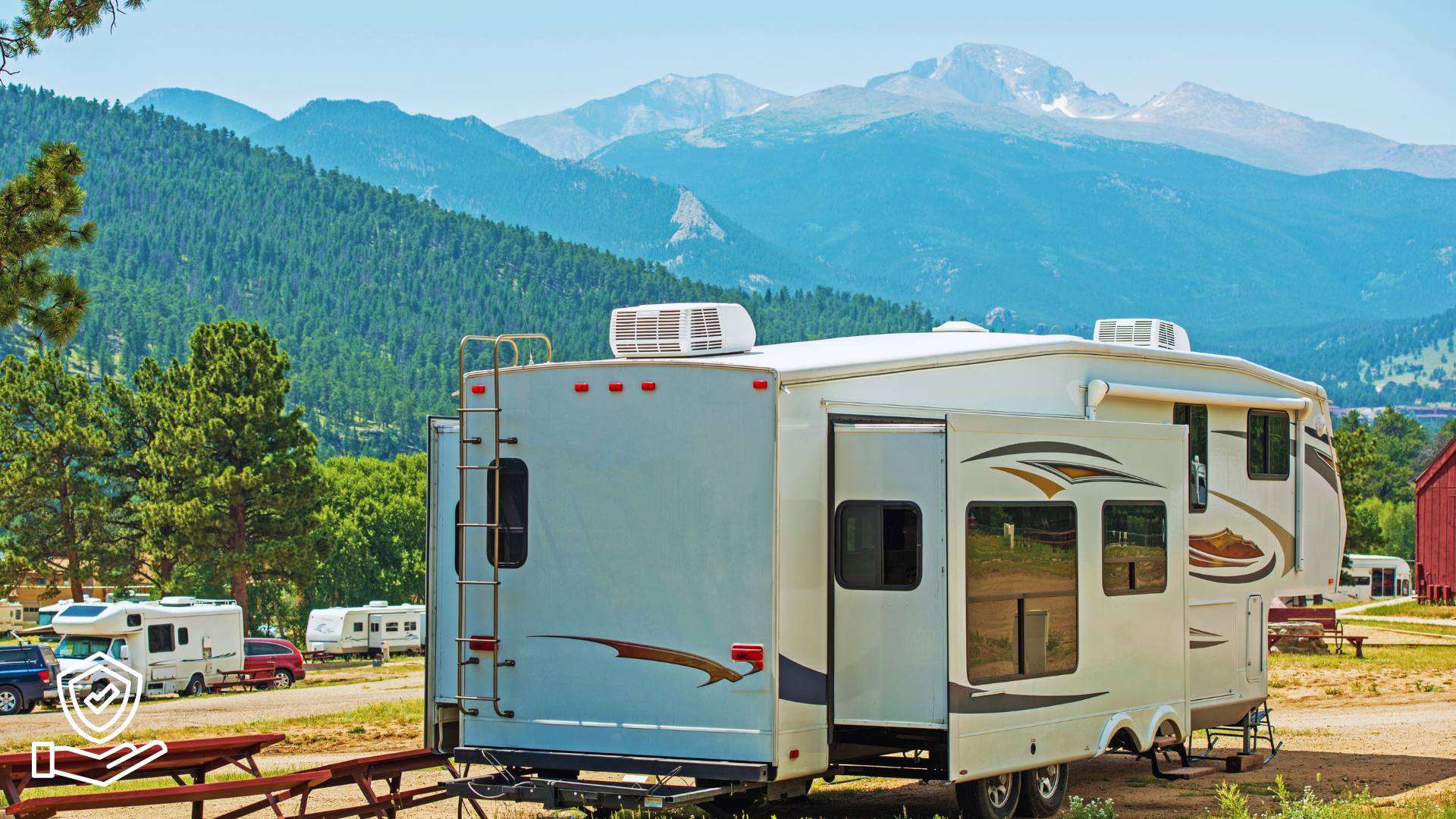
Owning a travel trailer is a big deal. It gives you lots of memories with loved ones. But, you need to protect it from accidents, theft, or natural disasters.
In Ontario, you don’t have to insure your travel trailer by law. But, knowing about the different coverages is key for your safety and peace of mind.
The right insurance can help you deal with surprises. It makes sure your travels keep going smoothly. We’ll look into travel trailer insurance in this article. It will help you make smart choices.
Key Takeaways
- Understanding the different types of coverage available for travel trailers.
- The benefits of having travel trailer insurance for financial security.
- How to protect your investment from unforeseen events.
- The importance of reviewing your insurance options.
- Tips for choosing the right insurance policy for your travel trailer.
Understanding Travel Trailer Insurance Basics
Travel trailer insurance can seem complex, but it’s easier when you break it down. It’s important to know what a travel trailer is for insurance, how it’s different from auto insurance, and common myths about coverage.
What Defines a Travel Trailer for Insurance Purposes
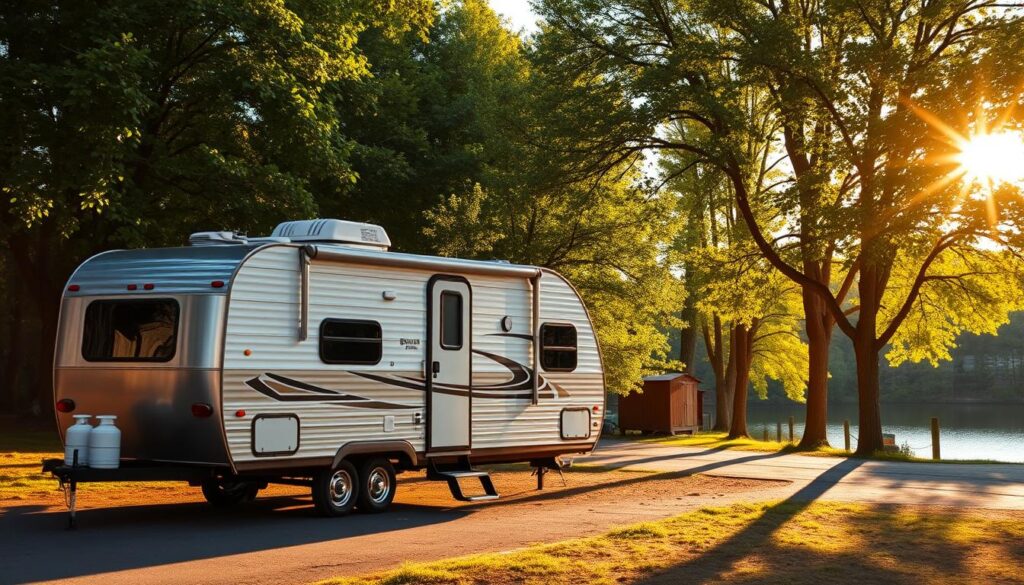
A travel trailer is a trailer towed by a vehicle or a camper on a truck bed. Insurance companies look at the trailer’s size, value, and use to decide on coverage.
How Travel Trailer Insurance Differs from Auto Insurance
Travel trailer insurance is not the same as auto insurance. Auto insurance covers the vehicle, but travel trailer insurance covers the trailer and its stuff. It also includes coverage for accessories and equipment, which auto insurance doesn’t.
Common Misconceptions About Travel Trailer Coverage
Many think auto insurance automatically covers the travel trailer. But that’s not always true. Another myth is that you don’t need insurance if the trailer is stored at home. But theft, vandalism, or natural disasters can still happen, making insurance crucial.
| Insurance Aspect | Travel Trailer Insurance | Auto Insurance |
|---|---|---|
| Coverage Scope | Covers trailer, contents, and accessories | Covers vehicle and liability |
| Usage Considerations | Considers how and where the trailer is used | Primarily focuses on vehicle operation |
Do You Have to Have Insurance on a Travel Trailer?
Whether you need insurance for a travel trailer depends on a few things. These include the laws of your state and what your lender says. It’s important to know these to decide if you should insure your trailer.
State-by-State Legal Requirements
In the U.S., insurance laws for travel trailers differ by state. Some states require it, while others don’t. If you’re driving your trailer across state lines, you might need to follow the insurance laws of each state you visit.
To find out if you need insurance, check your state’s Department of Motor Vehicles (DMV) website or talk to a local insurance expert. They can tell you if your trailer needs to be insured.
Lender Requirements for Financed Trailers
If you’ve financed your trailer, your lender might ask for insurance. This is because the trailer is used as collateral for the loan. The lender wants to protect their investment in case of an accident or damage.
Lender requirements can change, so it’s key to look at your loan agreement to see what insurance you need. Usually, lenders want you to have comprehensive and collision coverage to cover different risks.
Why Insurance is Recommended Even When Not Required
Even if your state doesn’t require insurance for travel trailers, or if you bought your trailer with cash, getting insurance is still a good idea. It helps protect your investment in the trailer and can cover liability if you’re in an accident.
| Insurance Type | What It Covers | Why It’s Important |
|---|---|---|
| Comprehensive Coverage | Damage to your trailer not caused by a collision, such as theft, vandalism, or natural disasters. | Protects your investment against a wide range of risks. |
| Collision Coverage | Damage to your trailer resulting from a collision with another vehicle or object. | Covers repair or replacement costs if your trailer is damaged in an accident. |
| Liability Coverage | Covers damages to others if you’re at fault in an accident. | Protects your assets in case of a lawsuit resulting from an accident. |
In conclusion, while insurance laws for travel trailers vary, it’s important to think about both legal needs and what your lender wants. Even if you don’t have to, insurance offers financial protection and peace of mind.
Assessing Your Travel Trailer Insurance Needs
Protecting your travel trailer is crucial. To do this, you need to think about several important factors. These factors will help you decide what kind of insurance you need.
Evaluating Your Trailer’s Value and Usage
The value and how often you use your trailer are key. A more valuable or often-used trailer might need more insurance. Think about the trailer’s age, condition, and any special features.
Identifying Your Risk Factors
Several factors can affect your insurance needs. Where you store your trailer and how often you use it matter. For example, a secure storage spot can lower theft or damage risks.
Creating a Checklist of Must-Have Coverages
Make a list of essential coverages. This should include comprehensive, collision, and liability protection. Think about what risks you want to cover and what you can afford to lose.
| Coverage Type | Description | Importance Level |
|---|---|---|
| Comprehensive Coverage | Covers damages not related to accidents, such as theft or natural disasters. | High |
| Collision Coverage | Covers damages to your trailer in the event of an accident. | High |
| Liability Protection | Protects you against third-party claims for bodily injury or property damage. | High |
By evaluating your trailer’s value and usage, and identifying risks, you can find the right insurance. This protects your investment and helps manage your travel trailer insurance cost. Look at different travel trailer insurance companies to find the best policy for you.
Essential Coverage Options to Protect Your Travel Trailer
Insuring your travel trailer is crucial. It’s not just about following the law. It’s about protecting your investment from various risks.
Comprehensive Coverage: Protection Beyond Collisions
Comprehensive coverage is key for travel trailer insurance. It covers damages not caused by accidents, like theft, vandalism, fire, and natural disasters. This ensures you won’t face huge repair costs or the cost of replacing your trailer if it’s stolen or destroyed.
Collision Coverage: What It Does and Doesn’t Cover
Collision coverage helps with damages from accidents with other vehicles or objects. It’s vital for keeping your trailer safe on the road or in campsites. But, it doesn’t cover wear and tear or mechanical failures.
Liability Protection: Safeguarding Against Third-Party Claims
Liability protection is also crucial. It covers you against claims from others for damages or injuries caused by your trailer. This includes medical costs, legal fees, and damages to others’ property. Having enough liability protection can prevent huge financial losses if an accident happens.
| Coverage Type | Description | Benefits |
|---|---|---|
| Comprehensive Coverage | Protects against non-collision damages | Theft, vandalism, fire, natural disasters |
| Collision Coverage | Covers collision damages | Repairs or replacement after accidents |
| Liability Protection | Safeguards against third-party claims | Medical expenses, legal fees, property damages |
Choosing the right coverage options is essential for protecting your travel trailer. Always check your policy and talk to your insurance provider to make sure it fits your needs.
Exploring Additional Coverage Options for Complete Protection
There are many extra coverage options to think about for your travel trailer. Standard insurance is a good start, but extra coverages can offer more protection. They help guard against different risks.
Personal Belongings Coverage for Your Gear and Equipment
Personal belongings coverage is key. It protects your stuff inside the trailer. This includes your gear, equipment, and other valuable items. Think about the value of your belongings and how much it would cost to replace them if they got lost, stolen, or damaged.
Emergency Expense Coverage for Trip Interruptions
Unexpected trip interruptions can happen. This could be due to natural disasters, accidents, or health issues. Emergency expense coverage helps with the costs of these interruptions. It covers things like accommodation and transportation. This way, you won’t face big expenses unexpectedly.
Full-Timer’s Coverage for Extended Use Situations
If you live in your travel trailer full-time, you need full-timer’s coverage. This coverage is made for people who live in their trailers for a long time. It meets their special needs.
Roadside Assistance Benefits for Peace of Mind
Roadside assistance is a great addition to your insurance. It helps if you have a breakdown or other emergencies on the road. This can be a lifesaver when you’re far from home.
Looking into these extra coverage options can make your insurance fit your needs better. Think about how you use your trailer, the value of your stuff, and the risks you might face. This will help you choose the best coverage for you.
- Assess the value of your personal belongings and consider personal belongings coverage.
- Understand the benefits of emergency expense coverage for trip interruptions.
- If you’re a full-timer, look into specialized full-timer’s coverage.
- Add roadside assistance for emergency peace of mind.
Understanding Factors That Affect Your Insurance Cost
Knowing what affects your travel trailer insurance cost is key. Several things can change your rates, like your trailer’s value and age, where you store it, how often you use it, and personal factors.
How Trailer Value and Age Impact Your Premiums
The value and age of your trailer really matter for insurance costs. Newer, more valuable trailers cost more to insure because repairs or replacement are pricier. But, as your trailer gets older, its value goes down, which can lower your premiums.
Even older trailers need enough coverage. Repair or replacement parts can still be expensive.
Storage Location Considerations for Better Rates
Where you keep your trailer can change your insurance rates. Trailers in secure RV storage or low-crime areas might get lower rates. But, trailers in high-crime or disaster-prone areas could cost more to insure.
Talking to your insurer about your storage spot can help you understand how it affects your rates.
Usage Patterns: Frequency and Distance Traveled
How often and how far you travel with your trailer affects your insurance cost. Frequent or long trips might raise your rates because of higher accident or damage risks. But, if you travel less or for shorter distances, you might pay less.
Insurers look at your travel habits to figure out your risk level and set your premiums.
Personal Factors: Driving History and Claims Record
Your driving history and claims record also matter to insurers. A clean driving record and few or no claims can get you better rates. But, accidents or claims can raise your premiums.
Keeping a good driving record and being careful with claims can help you get lower insurance rates.
Understanding these factors can help you lower your insurance costs. Improving storage, being smart about your travel, and keeping a clean driving record can all help. These steps can make your travel trailer insurance more affordable.
How to Compare Travel Trailer Insurance Quotes Effectively
Comparing travel trailer insurance quotes can seem tough. But, with the right steps, you can find great coverage. First, gather all the info insurers need for accurate quotes.
Gathering the Information Insurers Will Need
Before comparing quotes, have all needed info ready. This includes your trailer’s make, model, year, and value. Also, share how you plan to use it.
Using Online Tools and Insurance Brokers
Online tools and insurance brokers make comparing easier. Online platforms let you quickly see many quotes. Brokers offer advice and access to more providers.
Creating a Standardized Comparison Spreadsheet
Make a spreadsheet to compare quotes well. It helps you see coverage, deductibles, and premiums from each insurer.
| Insurance Provider | Coverage Options | Deductible | Premium |
|---|---|---|---|
| Provider A | Comprehensive, Collision, Liability | $500 | $800/year |
| Provider B | Comprehensive, Liability | $1,000 | $700/year |
| Provider C | Collision, Liability | $250 | $900/year |
Reading the Fine Print in Policy Documents
When comparing quotes, read policy documents carefully. Look for exclusions, limitations, or conditions that might affect your coverage. Knowing the policy terms helps you choose wisely.
Steps to Apply for and Purchase Travel Trailer Insurance
To protect your travel trailer, you’ll need to go through the insurance application process. It’s easy with the right help. You’ll follow several steps to get the right coverage for your needs.
Preparing Documentation and Trailer Information
Start by gathering all the necessary documents and info about your trailer. You’ll need the trailer’s make, model, year, and VIN. Also, tell about any customizations or upgrades.
Required Documents:
- VIN or trailer serial number
- Proof of ownership
- Details of any customizations
Completing the Application Process
The application process usually involves filling out a form from the insurance company. You can do this online or over the phone. Be ready to share all about your trailer and what insurance you need.
Understanding Policy Activation and Proof of Insurance
After your application is approved, you’ll learn how to activate your policy. You’ll also get proof of insurance, like an insurance card or digital document.
It’s crucial to read your policy documents well. This way, you’ll know what’s covered and any special rules.
| Step | Description |
|---|---|
| 1 | Prepare necessary documentation and trailer information |
| 2 | Complete the insurance application process |
| 3 | Understand policy activation and obtain proof of insurance |
Top Travel Trailer Insurance Companies to Consider
To keep your travel trailer safe, choose an insurance company that knows RVs well. The right one will give you the coverage you need, whether you travel a lot or just sometimes.
Specialized RV Insurance Providers and Their Advantages
Specialized RV insurance companies have policies made just for travel trailer owners. Progressive and Geico offer options that cover your stuff, emergency costs, and more. They’re great for full-time RVers too.
These companies get RV insurance and offer better coverage than regular car insurance. They can even cover things like awnings and satellite dishes, which are important for many RV owners.
Traditional Auto Insurers with Strong Trailer Coverage
Auto insurers like State Farm and Allstate also have travel trailer insurance. They might not focus only on RVs, but their policies cover many types and uses.
These companies let you bundle your car and trailer insurance together. This can make managing your insurance easier and might even save you money.
Evaluating Customer Satisfaction and Claim Processing Reputation
When picking insurance for your travel trailer, check how happy customers are and how well they handle claims. Look at reviews, ratings from AM Best, and surveys from J.D. Power.
A good reputation for claims can really help when you need to file one. Look for insurers with 24/7 claims support and easy processes.
Think about both RV and auto insurers, and check their customer satisfaction and claim handling. This way, you can choose the best insurance for your travel trailer.
Conclusion: Protecting Your Travel Investment
Insuring your travel trailer is key to protecting your investment and keeping your finances safe. You’ve learned that travel trailer insurance is different from auto insurance. It offers various coverage options to meet your needs.
These options include comprehensive and collision coverage, as well as liability protection. You can customize your policy based on how you use your trailer and your risk level.
The cost of travel trailer insurance depends on several factors. These include your trailer’s value, age, where you store it, and how often you use it. By considering these factors and comparing prices, you can find a good policy at a fair price.
With the right travel trailer insurance, you can travel with confidence. You’ll know you’re protected against unexpected events. Take the time to review your options, think about your needs, and choose a policy that protects your investment.
FAQ
Do I need insurance for my travel trailer?
Yes, insurance is a good idea for your travel trailer. It helps protect your investment. Laws and lender needs can vary, but it’s always wise to have it.
What is the difference between travel trailer insurance and auto insurance?
Travel trailer insurance covers the trailer’s unique risks. This includes damage, accidents, and personal items. Auto insurance, however, is for vehicles, not trailers.
What factors affect the cost of travel trailer insurance?
Several things affect the cost. These include the trailer’s value, age, and where you store it. Your usage and personal history also play a role.
What types of coverage are available for travel trailers?
You can get various coverages. These include comprehensive, collision, and liability. There’s also coverage for personal items, emergency expenses, and for full-time use.
How do I compare travel trailer insurance quotes effectively?
To compare quotes well, start by gathering all needed info. Use online tools and insurance brokers. Make a spreadsheet to compare different options and prices.
Can I insure my travel trailer with a traditional auto insurer?
Yes, some auto insurers offer travel trailer coverage. But, specialized RV insurers might offer more tailored options for travel trailer owners.
What is full-timer’s coverage, and do I need it?
Full-timer’s coverage is for those who live in their trailer full-time. It offers extra protection for your belongings and liability if you live in your trailer long-term.
How do I determine the right amount of coverage for my travel trailer?
First, assess your trailer’s value and how you use it. Then, think about any risks. Make a list of essential coverages to ensure you’re well-protected.
What is the process for applying for and purchasing travel trailer insurance?
To get insurance, prepare your documents and fill out the application. Understand how to activate your policy and get proof of insurance. This ensures you have the right coverage.
Are there any additional coverage options I should consider for my travel trailer?
Yes, consider extra options like coverage for personal items, emergency expenses, and roadside help. These can offer more protection for your trailer and belongings.